
This little slow cooker supper reminds me of the kind of resourceful cooking my mother did on hot July days, when nobody wanted the oven on but we still expected something special on the table. Using frozen raw yellowfin tuna medallions means you can go straight from the freezer to the crock without fuss, and with just four more simple pantry ingredients, you end up with a tender, flavorful tuna you can serve up for a laid‑back 4th of July gathering. It’s the sort of easy, practical recipe that lets you enjoy the fireworks and company instead of hovering over the stove, but still tastes like you fussed all afternoon.
Spoon the warm, saucy tuna over buttered rice or boiled baby potatoes for a hearty Midwestern-style plate, and add a side of sweet corn on the cob or a simple cucumber and tomato salad for some crunch and color. It’s also lovely flaked and piled into toasted buns with a slice of tomato and lettuce, almost like a hot tuna sandwich. A bowl of coleslaw, a jar of dill pickles, and a pitcher of iced tea or lemonade round things out into a 4th of July meal that feels festive without being fussy.
5-Ingredient Slow Cooker 4th of July Tuna
Servings: 4
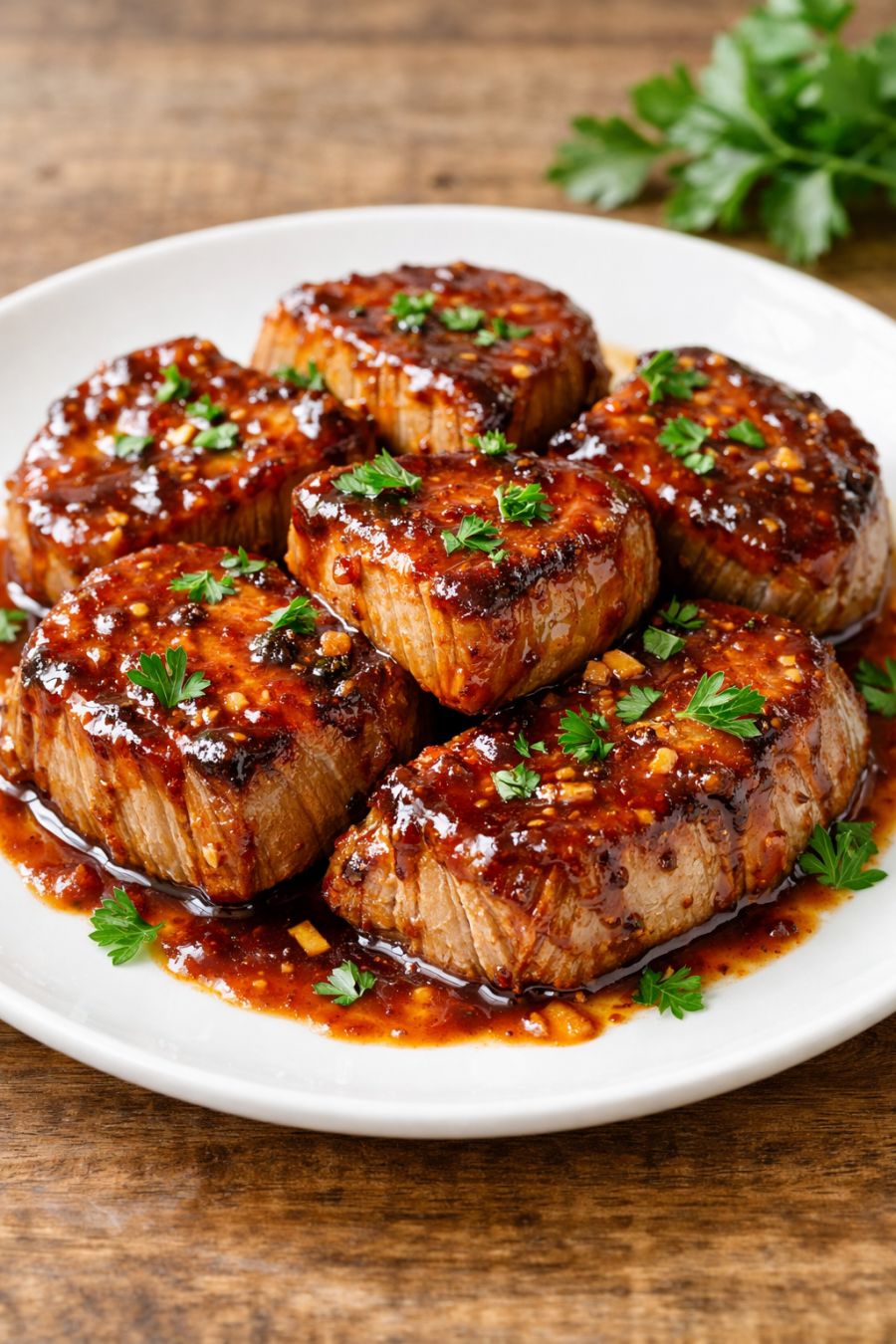
Ingredients
1 1/2 to 2 pounds frozen raw yellowfin tuna medallions (do not thaw)
1/2 cup ketchup
1/3 cup honey
2 tablespoons Worcestershire sauce
1 teaspoon kosher salt (or 3/4 teaspoon table salt)
Directions
Place the frozen raw yellowfin tuna medallions in a single layer on the bottom of a 4- to 6-quart slow cooker. It’s fine if they touch, but try not to stack them too high so they cook evenly.
In a small bowl, whisk together the ketchup, honey, Worcestershire sauce, and salt until smooth and well combined. This makes a sweet-and-savory sauce that will soak into the tuna as it cooks.
Pour the sauce evenly over the frozen tuna medallions, using a spatula to scrape out every bit so the fish is well coated. The tuna will release some juices as it cooks, so you don’t need any extra liquid.
Cover the slow cooker with the lid and cook on LOW for 2 1/2 to 3 hours, or until the tuna is just cooked through and flakes easily with a fork in the thickest part. Avoid lifting the lid during the first 2 hours so the heat stays steady.
Once the tuna is cooked, gently lift the medallions out with a slotted spatula or spoon, basting each piece with some of the sauce from the bottom of the slow cooker as you go. The medallions will be tender, so handle them carefully to keep them mostly whole.
Taste the sauce left in the slow cooker and adjust the seasoning if you like, adding a pinch more salt or a drizzle of honey. Spoon some of the warm sauce over the tuna medallions on the serving platter or over each portion on individual plates.
Serve the tuna right away while hot, or switch the slow cooker to WARM and hold it for up to 30 minutes, keeping the lid on so the fish stays moist until everyone is ready to eat.
Variations & Tips
You can adjust this simple 5-ingredient base to suit your table while still keeping the spirit of the recipe. For a little smoky depth that feels right at home on the 4th of July, add 1/2 teaspoon smoked paprika or a dash of liquid smoke to the sauce before pouring it over the frozen tuna. If you prefer more tang, stir in a tablespoon of apple cider vinegar or yellow mustard with the ketchup and honey. For a bit of gentle heat, add 1/4 teaspoon crushed red pepper flakes or a few dashes of hot sauce. If you need to stretch the meal, you can tuck a few thick-cut onion slices around the frozen tuna medallions before adding the sauce; they’ll soften and sweeten as they cook and give you more to spoon over rice or potatoes. Food safety tips: Always start with frozen raw yellowfin tuna medallions that have been properly stored at 0°F (-18°C) or below and are within their use-by date. Place the frozen tuna directly into the prepped slow cooker and cook on LOW as directed; do not cook on the WARM setting from frozen, and do not leave the tuna at room temperature to thaw on the counter. Make sure the tuna reaches an internal temperature of at least 145°F (63°C) in the thickest piece; if you’re unsure, check with an instant-read thermometer and continue cooking a bit longer if needed. Refrigerate leftovers within 2 hours in a shallow container, and use within 2 days, reheating gently just until hot to avoid drying the fish out.
