
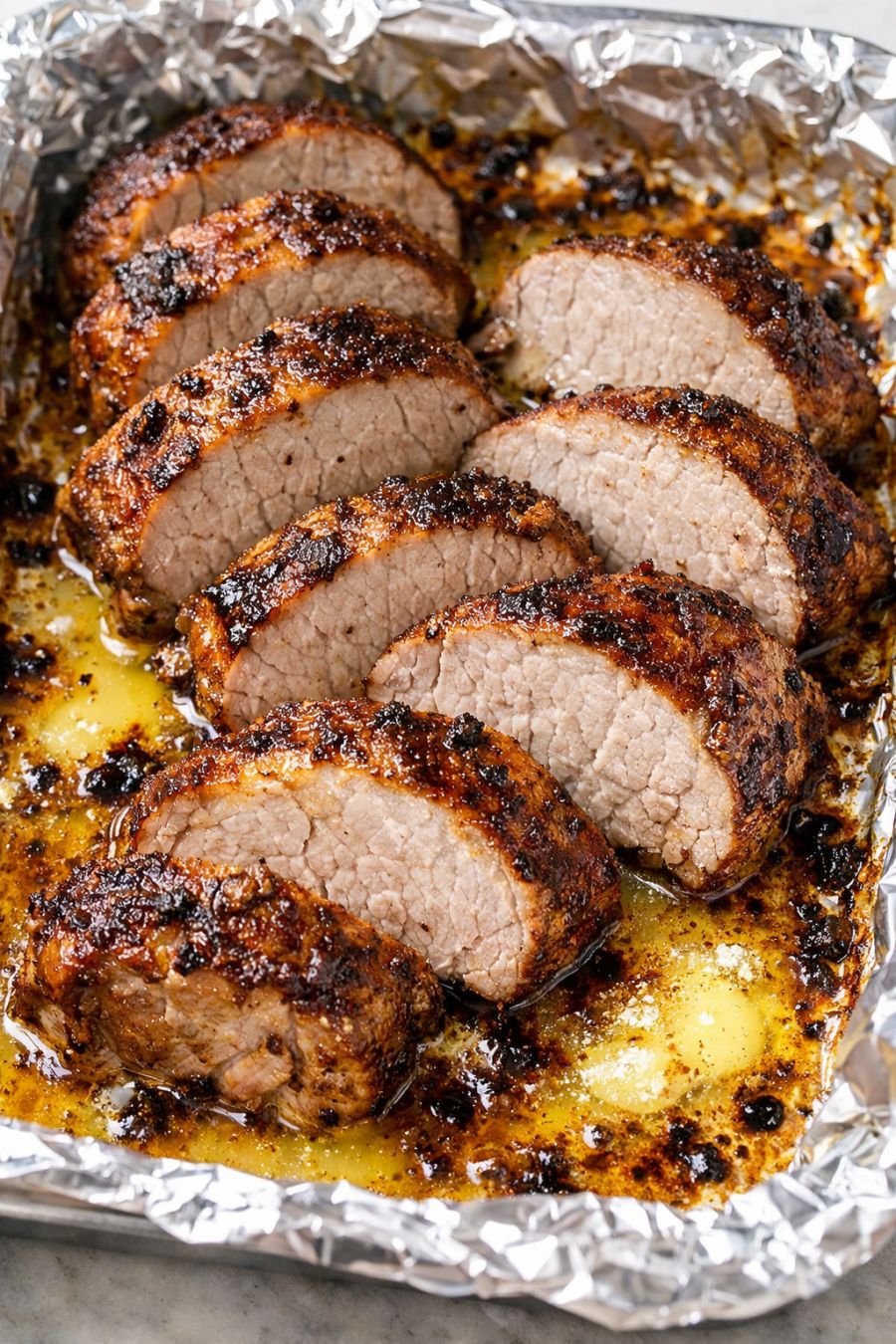
This low carb 4-ingredient Amish butter pork tenderloin is the kind of Sunday dinner that makes the whole house smell amazing with almost no effort. It’s inspired by the simple, rich flavors you find in a lot of Amish-style cooking: good butter, a touch of sweetness, and slow, gentle roasting. My aunt used to make a version of this every Sunday after church, and the platter would hit the table already sliced, swimming in golden butter and dark, roasty drippings. It’s melt-in-your-mouth tender, super juicy, and perfect for busy weeks because the prep is quick and the oven does all the work.
Serve this pork tenderloin sliced thick, spooning plenty of the melted butter and pan drippings over the top. It’s great with simple low-carb sides like roasted green beans, sautéed cabbage, or a crisp side salad. If you’re not strictly low carb, it’s also amazing over mashed cauliflower or mashed potatoes to soak up that buttery sauce. A side of steamed broccoli or roasted Brussels sprouts balances the richness, and if you want to keep it very Sunday-dinner cozy, add a pan of roasted carrots for everyone who isn’t counting carbs as closely.
Low Carb 4-Ingredient Amish Butter Pork Tenderloin
Servings: 6
Ingredients
2 pork tenderloins (about 1 to 1 1/4 pounds each), trimmed of silver skin
1/2 cup (1 stick) salted butter, cut into thick slices
2 tablespoons low carb brown sugar substitute (such as erythritol or monk fruit blend)
1 tablespoon kosher salt-free seasoning blend or coarse kosher salt and freshly ground black pepper to taste
Directions
Preheat your oven to 375°F (190°C). Line a 9x13-inch baking dish or small roasting pan with aluminum foil, letting the foil hang over the edges to catch all the butter and drippings. Lightly spray or grease the foil so the pork doesn’t stick.
Pat the pork tenderloins very dry with paper towels. This helps them brown and form that golden crust. Place them side by side in the foil-lined pan, leaving a little space between them if possible.
Sprinkle the pork all over with the kosher salt-free seasoning blend (or a mix of coarse kosher salt and black pepper). Use your hands to rub it in on all sides so the seasoning sticks well.
Sprinkle the low carb brown sugar substitute evenly over the top and sides of the tenderloins. It will look like a light crust. This helps create those dark, caramelized pan drippings without adding regular sugar.
Lay the slices of butter over the top of the pork tenderloins, spacing them so most of the surface is covered. Any extra pieces of butter can go right into the bottom of the pan around the meat.
Place the pan in the preheated oven, uncovered, and roast for 25 to 35 minutes, or until the pork reaches 140–145°F (60–63°C) in the thickest part when checked with an instant-read thermometer. Start checking around 22 minutes since tenderloins can vary in size and ovens run differently.
Once the pork is at temperature, remove the pan from the oven. Carefully tent the pork loosely with a piece of foil (just lay it over the top, don’t seal it tight) and let it rest for 10 to 15 minutes. The butter will be melted and pooled around the meat with dark roasted drippings, and the temperature will rise a few degrees as it rests.
Transfer the tenderloins to a cutting board, keeping all the buttery juices in the foil-lined pan. Slice the pork into thick, 1/2- to 3/4-inch slices. Arrange the slices back into the foil-lined pan or onto a serving tray and spoon the rich yellow butter and pan drippings over the top so every piece is glossy and juicy.
Serve immediately while hot, making sure each plate gets a few spoonfuls of the melted butter and dark drippings. Leftovers can be cooled, then stored in an airtight container with some of the buttery juices to keep the meat moist.
Variations & Tips
To keep this recipe truly low carb, stick with a sugar-free brown sugar substitute and avoid regular brown sugar or honey. If you’re not low carb, you can swap the sweetener for 2 tablespoons of packed brown sugar for a more traditional Amish-style sweetness. For extra flavor without adding ingredients, you can choose a seasoning blend that already includes garlic and onion; just be mindful of added salt so you don’t over-season. If you’d like a hint of herbiness, tuck a few fresh thyme sprigs or rosemary around the pork before roasting (this technically adds an ingredient but won’t affect the core recipe). For a slightly smokier twist, use a seasoning blend with smoked paprika or add a small pinch yourself. This method also works well with a single larger pork tenderloin; just increase the roasting time slightly and rely on your meat thermometer. Food safety tips: Always cook pork to at least 145°F (63°C) and allow it to rest for at least 3 minutes before slicing; in this recipe, resting 10 to 15 minutes helps it stay extra juicy. Use separate cutting boards and knives for raw meat and vegetables, and wash your hands and any surfaces that touch raw pork with hot, soapy water. Refrigerate leftovers within 2 hours of cooking and use within 3 to 4 days, reheating gently in the buttery juices so the pork doesn’t dry out.
