
For many homeowners, the bathroom is a place that demands cleanliness and maintenance. Yet, there are parts of it that often go unnoticed or are neglected over time. The toilet tank is one such area. Over the years, mineral deposits, limescale, and rust can accumulate inside the tank, potentially affecting the performance and hygiene of your toilet. After fifteen years of overlooking my toilet tank, I decided it was time to address the issue with a simple, natural solution: white vinegar.
White vinegar is renowned for its cleaning properties, particularly when it comes to breaking down mineral deposits and disinfecting surfaces. I had heard of its effectiveness from various cleaning blogs and DIY enthusiasts, but I had never tried it myself. With a mixture of curiosity and skepticism, I decided to pour white vinegar into my toilet tank and leave it overnight to see what impact it could have after such a long period of neglect.
1. Why I Finally Tried White Vinegar After 15 Years
For years, I had relied on commercial toilet cleaners, assuming they were the most effective option. However, a recent surge in interest around natural cleaning solutions piqued my curiosity. The tipping point came when I noticed that despite regular cleaning, my toilet still had persistent stains and didn't always flush as efficiently as it should. White vinegar seemed like an interesting and inexpensive alternative, known for its ability to dissolve deposits and sanitize.
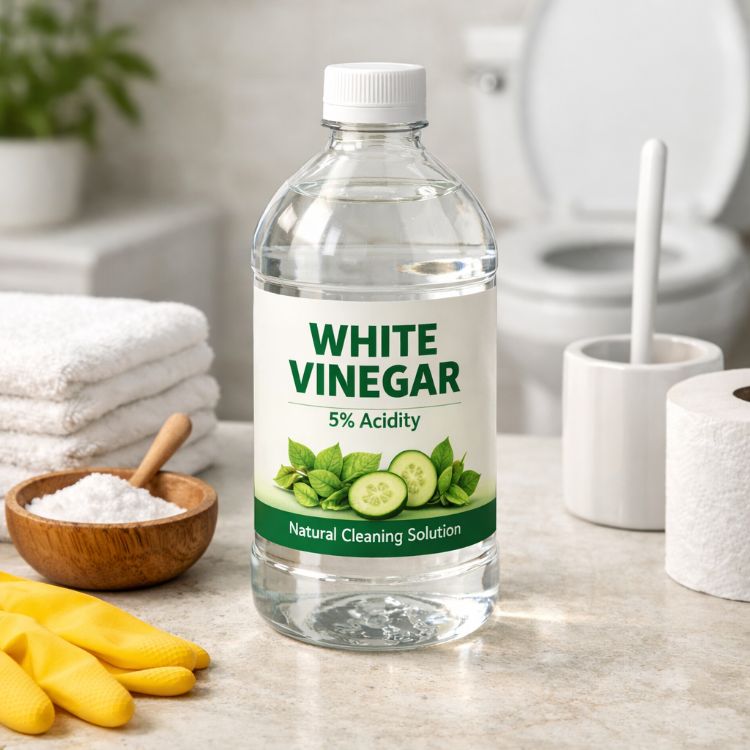
After some research, I learned that white vinegar is an acetic acid solution, typically around 5% acidity, which makes it effective at breaking down mineral deposits such as limescale and rust. Moreover, it is environmentally friendly and safe to use, unlike many harsh chemical cleaners. This combination of effectiveness and safety made it the perfect candidate for my long-overdue experiment.
2. What My Toilet Tank Really Looked Like Before
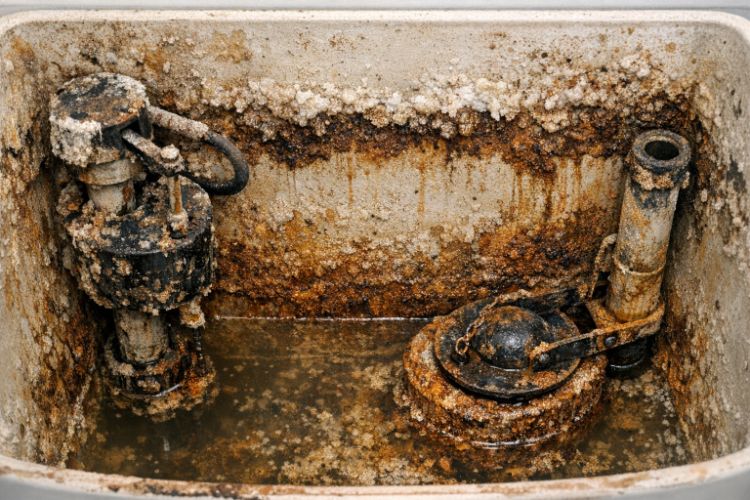
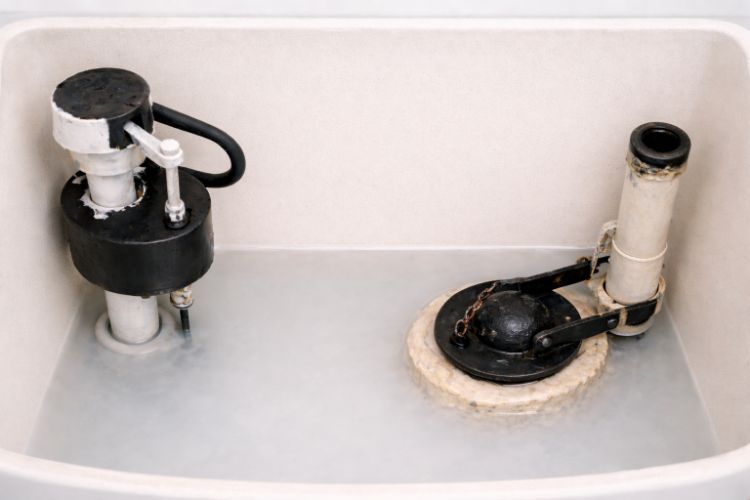
Before attempting the vinegar treatment, I took a good look inside my toilet tank. Unsurprisingly, it was not a pretty sight. The walls of the tank were lined with a thick, crusty layer of limescale and rust. The once-white surfaces had turned a murky brown and orange, with some areas feeling gritty to the touch. The buildup was particularly thick around the water line and the mechanisms inside the tank, including the flapper and the fill valve. It was clear that fifteen years of mineral-rich water had left its mark.
3. How I Measured, Poured, And Left The Vinegar Overnight
To start the process, I first turned off the water supply to the toilet and flushed it to empty the tank as much as possible. This would allow the vinegar to have maximum contact with the surfaces inside the tank. I then carefully measured out a gallon of white vinegar, which I had purchased specifically for this purpose. Pouring it slowly into the tank, I ensured that it covered the entire surface area, especially the parts with the most buildup.
After pouring in the vinegar, I decided to let it sit overnight to give it ample time to work its magic. I placed the lid back on the tank and went about my evening, eager to see what changes the morning would bring.
4. The Immediate Morning Surprise When I Lifted The Lid
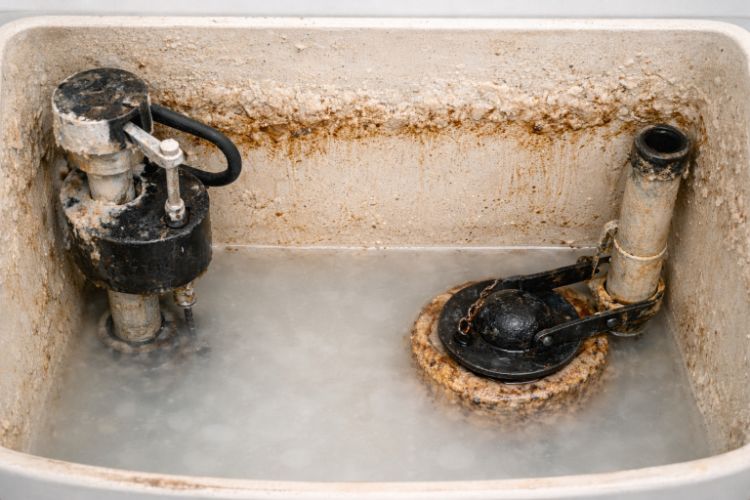
The next morning, I approached the toilet with a mix of anticipation and apprehension. Lifting the lid, I was greeted with a surprising sight: the vinegar had turned a cloudy white, indicating that it had indeed reacted with the mineral deposits. The once thick and crusty buildup seemed to have diminished significantly. I could already see some areas where the original surface of the tank was visible, something I hadn't seen in years.
5. What Happened To The Limescale And Rust Stains
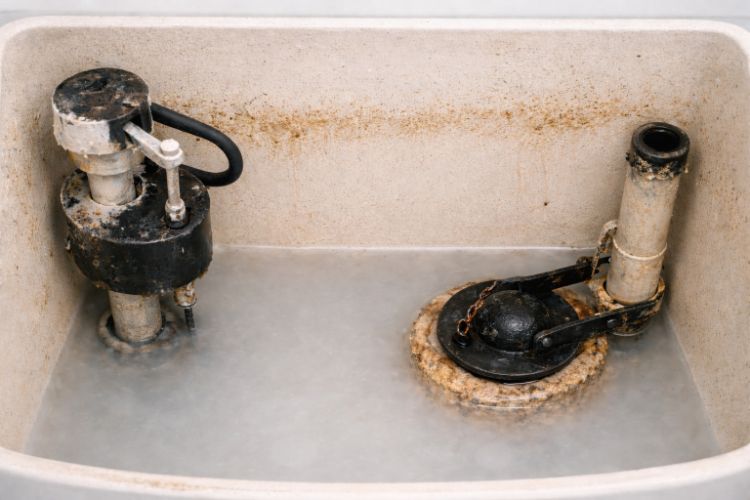
As I investigated further, I noticed that the limescale deposits had softened considerably. A gentle scrub with a brush was enough to remove most of the remaining residue. The rust stains, which had been a persistent problem, appeared lighter and less pronounced. While not completely gone, the overall appearance of the tank was vastly improved, with the majority of the heavy buildup either dissolved or loosened.
6. The Unexpected Impact On Toilet Odors
One of the most surprising outcomes of the vinegar treatment was the noticeable reduction in toilet odors. Previously, there had been a slight, persistent musty smell emanating from the tank, likely due to the buildup and stagnant water. After the vinegar treatment, the musty smell was gone, replaced by a faint but pleasant tangy scent. This was an unexpected bonus, adding to the overall freshness of the bathroom.
7. Did It Actually Improve The Flush And Water Flow?
With the buildup significantly reduced, I was eager to see if the vinegar treatment would have any impact on the toilet's performance. After turning the water supply back on and allowing the tank to refill, I flushed the toilet. To my delight, the flush was noticeably more powerful and efficient. The water flow was smoother, and the toilet bowl filled and emptied more quickly than before. It seemed that removing the mineral deposits had indeed improved the functionality of the toilet.
8. What It Did To The Rubber Flapper And Tank Parts
One concern I had was whether the vinegar would have any adverse effects on the rubber components inside the tank, such as the flapper. Upon inspection, I found that the rubber parts were intact and showed no signs of damage or degradation. In fact, they appeared cleaner and free of the slimy buildup that had previously coated them. It seems that the vinegar's gentle acidity was enough to clean without causing harm.
9. The Mess (Or Lack Of It) When I Finally Flushed
I had half-expected a mess when it came time to flush away the vinegar and any loosened debris. However, there was no disaster to be found. The vinegar and dissolved deposits flushed away cleanly, leaving the tank looking much fresher. There were no clogs or blockages, and the process was far less messy than I had feared. This made the whole experience feel like a hassle-free success.
10. Expert Plumber Opinions On The Vinegar Hack
Curious about the long-term effects and potential risks, I consulted a local plumber for their opinion on using vinegar in the toilet tank. The plumber confirmed that vinegar is generally safe for occasional use in the tank, as long as it's not left for excessively long periods, which could potentially affect metal components. They recommended this method as an effective way to maintain cleanliness and prevent buildup when used periodically.
11. Would I Do It Again After 15 Years Of Buildup?
After witnessing the effects of white vinegar on my neglected toilet tank, I am convinced of its benefits as a cleaning solution. The simplicity and effectiveness of the process, combined with the low cost and environmental friendliness, make it an appealing option for regular maintenance. I plan to incorporate this method into my cleaning routine, ensuring that I don't wait another fifteen years before addressing the condition of my toilet tank again.
