
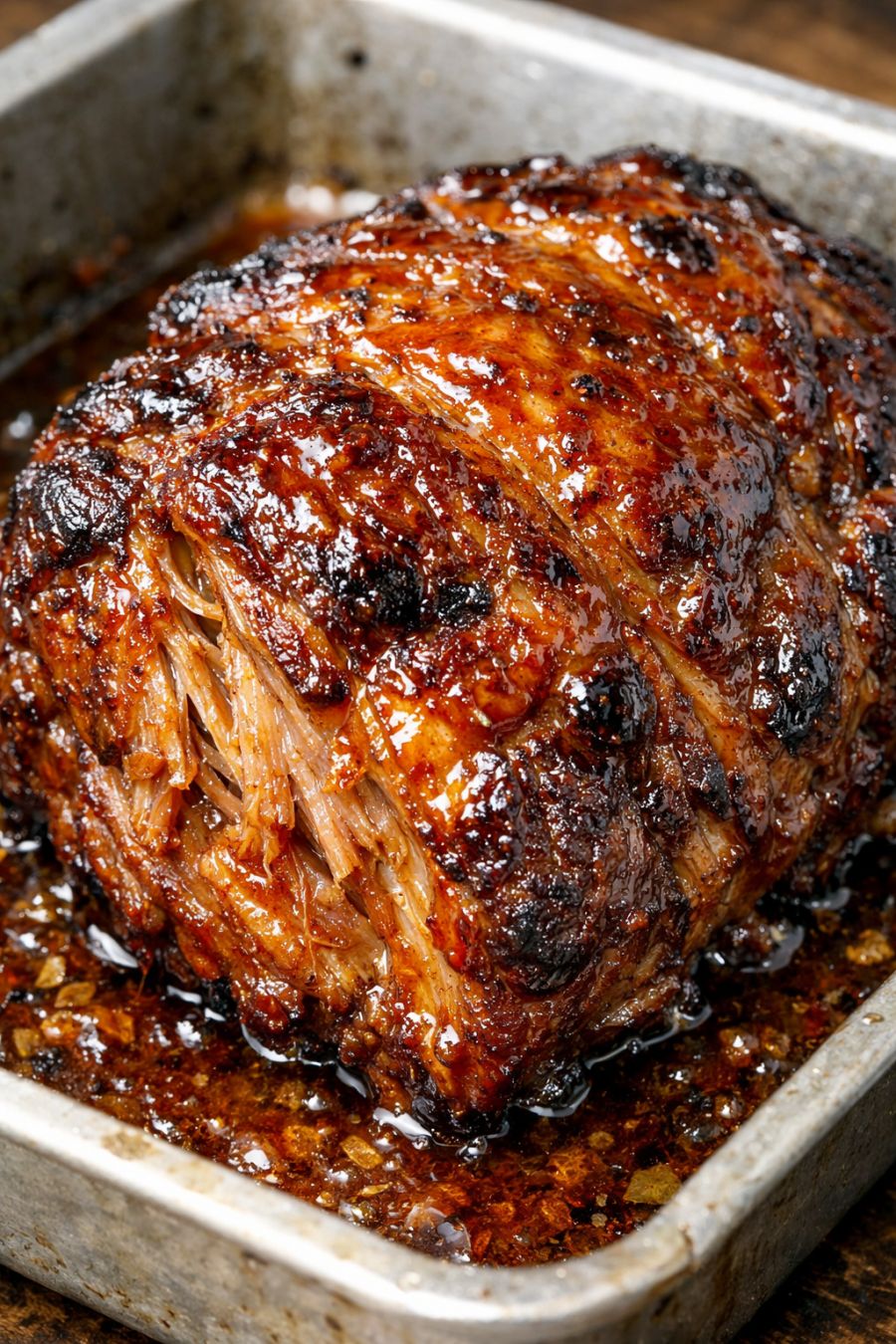
This 3-ingredient oven springtime savior is my go-to when I want a hearty dinner taken care of hours before the evening chaos starts. It’s built around a simple roasted protein that ends up so tender and glossy with an amber glaze that no one quite knows what cut it started as—just that it’s delicious. I lean on this in the busy spring months when we’re running between school events, sports, and yard work, and I need something that can quietly do its thing in the oven while I’m off doing mine.
Serve this glazed roasted protein sliced or shredded over buttery mashed potatoes, rice, or egg noodles to soak up all the extra sauce. For a springtime feel, pair it with roasted asparagus, steamed green beans, or a simple side salad with a bright vinaigrette. Warm dinner rolls or crusty bread are great for mopping up the pan juices. If you’re feeding kids, keep it simple with mashed potatoes and a familiar veggie like corn or peas on the side.
3-Ingredient Springtime Oven Savior Roast
Servings: 6
Ingredients
3 to 3 1/2 lb boneless pork shoulder (or pork butt), trimmed of thick exterior fat
1 cup thick amber-colored apricot preserves or peach jam
1 (1 oz) packet dry onion soup mix
Directions
Preheat your oven to 300°F (150°C). Lightly grease a metal 9x13-inch baking pan or any similar metal roasting pan. Using metal helps the edges caramelize and gives you that pretty, glistening finish.
Pat the pork shoulder dry with paper towels and place it in the center of the pan. Tuck any thinner, loose edges underneath so the roast is a fairly even shape. This helps it cook evenly and stay juicy.
In a small bowl, stir together the apricot preserves and the dry onion soup mix until it forms a thick, speckled amber glaze. It won’t be perfectly smooth, and that’s fine.
Spoon the glaze all over the pork, using the back of the spoon to spread it so the top and sides are well coated. Let a little glaze pool around the base of the meat in the pan—this will turn into a savory-sweet sauce as it roasts.
Cover the pan tightly with heavy-duty foil, crimping the edges so steam can’t easily escape. Place the pan on the middle rack of the preheated oven.
Roast, covered, for 3 to 3 1/2 hours, or until the pork is very tender and pulls apart easily with a fork. If you have time, start checking around the 2 1/2 hour mark; every oven is a little different.
Carefully remove the pan from the oven and peel back the foil away from you to avoid the hot steam. The pork should look pale but very tender, sitting in a good amount of juices and melted glaze.
Using a spoon, baste the top of the pork generously with the pan juices and glaze. Increase the oven temperature to 375°F (190°C). Return the pan to the oven, uncovered, and roast for another 20 to 30 minutes, basting once more halfway through, until the top is deep amber, glossy, and lightly caramelized around the edges.
Take the pan out of the oven and let the pork rest in the juices for at least 10 to 15 minutes. During this time, the meat relaxes and the fibers hold onto more moisture, which keeps everything succulent.
Transfer the pork to a cutting board. Slice it thickly or use two forks to gently pull it into large, fibrous chunks, then return the meat to the pan and toss lightly in the glaze so every piece is coated and glistening. Serve warm, spooning extra sauce from the pan over each portion.
Variations & Tips
For a slightly different flavor while still keeping it to three ingredients, swap the apricot preserves for peach jam, orange marmalade, or even apple jelly—each one gives a slightly different kind of amber glaze but keeps that sweet-savory balance. You can also use a small boneless pork loin roast instead of shoulder if you prefer leaner meat; just start checking for doneness around 1 1/2 to 2 hours since loin cooks faster and can dry out if overdone. If you want to make this more weeknight-friendly, cut the pork into 3 or 4 large chunks before roasting so it becomes tender a bit sooner. For picky eaters who don’t like visible onion bits, blend the preserves and onion soup mix together with a splash of water using a small blender or immersion blender to make a smoother glaze before pouring it over the meat. Leftovers keep well for a couple of days in the fridge and are wonderful tucked into soft rolls for sandwiches or piled over rice for an easy second meal. If your family likes a little extra sauce, you can stir a few tablespoons of water into the pan juices after cooking to thin it slightly and make it easier to drizzle over sides without adding any new ingredients.
