
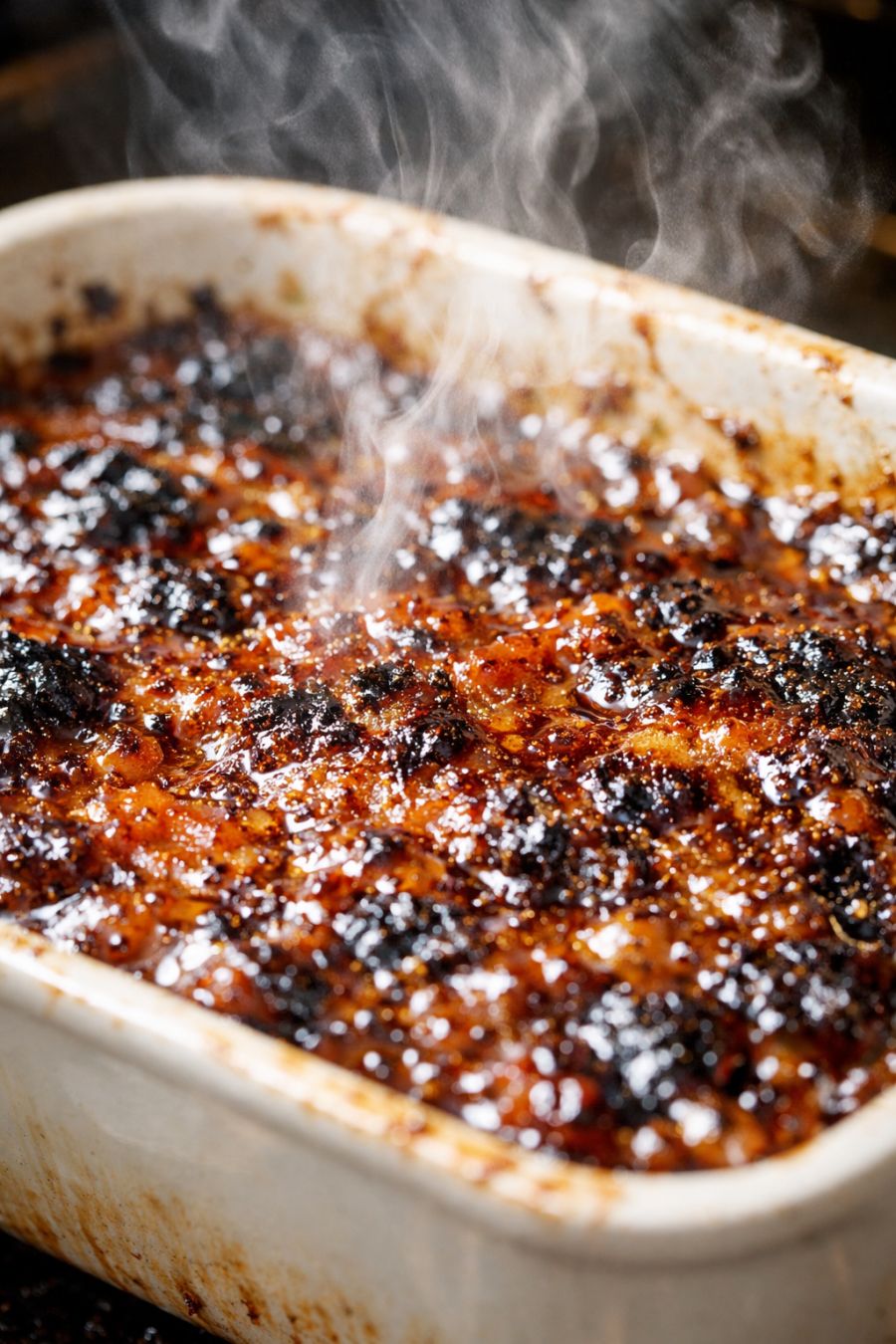
This 3-ingredient oven potato casserole is my nod to the kind of thrifty comfort food people leaned on during the Depression era—simple pantry staples, stretched with time and heat into something far more than the sum of its parts. It’s the kind of dish I pull out for Easter Sunday or any busy weekend: I can assemble it in a ceramic baking dish hours ahead, slide it into the oven, and let slow heat do all the work. The potatoes bake under a blanket of evaporated milk and cheese until the top is deeply caramelized and glistening, with an almost umami-rich crust that crackles when you break into it. It’s humble, filling, and very forgiving—exactly what you want when you need dinner handled well before guests arrive.
Serve this casserole as the starchy centerpiece alongside a simple baked ham, roast chicken, or a pan-seared pork chop. A crisp green salad with a sharp vinaigrette or a platter of steamed green beans with lemon helps cut through the richness. If you’re leaning into the Depression-era theme, offer buttered peas or braised cabbage and some sliced bread to mop up the creamy, caramelized edges. Leftovers reheat beautifully and pair well with a fried egg on top for an easy next-day brunch.
3-Ingredient Depression-Era Potato Casserole
Servings: 6
Ingredients
3 pounds russet potatoes, peeled and very thinly sliced
2 cups shredded sharp cheddar cheese, divided
2 cans (12 ounces each) evaporated milk
1 teaspoon kosher salt (optional, but recommended)
1/2 teaspoon freshly ground black pepper (optional)
Soft butter or neutral oil, for greasing the ceramic baking dish
Directions
Grease a medium to large oven-safe ceramic baking dish (about 9x13 inches or similar volume) with a thin, even layer of soft butter or neutral oil to prevent sticking and promote browning on the edges.
Preheat your oven to 350°F (175°C), positioning a rack in the center. This moderate heat lets the potatoes cook through gently while the top slowly caramelizes into a deep, glistening crust.
Peel the russet potatoes and slice them very thinly, about 1/8 inch thick. You can use a mandoline for uniform slices, but a sharp knife works fine—just keep the slices as even as you can so they cook at the same rate.
Layer a single, slightly overlapping layer of sliced potatoes in the bottom of the prepared ceramic dish. Sprinkle a small handful of shredded cheddar over the potatoes, along with a pinch of salt and pepper if using.
Continue layering: potatoes, then a light sprinkle of cheddar, repeating until you’ve used all the potatoes. Reserve a generous final layer of cheese (about 3/4 to 1 cup) for the very top to form that caramelized, umami-rich crust.
Shake the cans of evaporated milk, then pour the milk slowly and evenly over the layered potatoes, tilting the dish gently so the liquid settles into the gaps. The milk should come almost to the top layer of potatoes but not completely submerge the cheese you’ll add on top.
Scatter the remaining shredded cheddar evenly over the surface, making sure to reach the corners and edges—those edges will caramelize beautifully and give you that glistening, browned crust you see in close-up casserole photos.
Cover the ceramic baking dish tightly with foil. Bake at 350°F (175°C) for 60 minutes, until the potatoes are mostly tender when pierced with a knife and the liquid is starting to thicken around the edges.
Remove the foil and return the dish to the oven. Continue baking uncovered for 30 to 40 minutes, or until the top is deeply golden, bubbling, and caramelized, with some darker browned spots. The surface should look glossy and slightly crusted, and you’ll see steam rising when you open the oven.
For an even more pronounced caramelized crust, move the dish to the upper third of the oven for the last 10 minutes of baking, watching closely so the cheese browns but does not burn.
When the casserole is done, remove it from the oven and let it rest on a heatproof surface for at least 15 minutes. This resting time allows the creamy, starchy mixture to set up so you can cut neat squares and the flavors can concentrate.
Serve the casserole hot, scooping down through the caramelized top to reveal the tender, creamy layers of potato beneath. Any leftovers can be cooled, covered, and refrigerated, then reheated in the oven until hot and re-crisped on top.
Variations & Tips
To stay close to the 3-ingredient spirit, think of additional elements as optional flavor nudges rather than requirements. For a more overtly savory, umami push, sprinkle a very light dusting of onion powder or smoked paprika between the layers, or grate in a small amount of aged hard cheese like Parmesan with the cheddar. If you want a bit more structure, swap half the evaporated milk for whole milk or light cream; it will still feel Depression-era thrifty but slightly richer. For make-ahead ease on holidays like Easter, assemble the entire casserole up to the point of baking, cover, and refrigerate for up to 8 hours; let it sit at room temperature for about 30 minutes before going into the oven and plan on adding 10–15 minutes to the covered bake time. You can also scale the recipe down into smaller ceramic gratin dishes for individual portions—just reduce the baking time and start checking for tenderness earlier. If you prefer a softer, almost mashed texture, slice the potatoes a bit thinner and keep the dish covered a little longer; for a firmer, more defined slice, cut them slightly thicker and allow a full rest after baking so the layers hold together cleanly.
