
This 3-ingredient peanut butter bread is the kind of make-do baking my great-grandmother leaned on when the pantry was nearly bare and the next trip to town was a week away. It comes straight out of those Depression-era habits: stretch what you have, waste nothing, and still put something warm and filling on the table. There’s no sugar, no eggs, no fancy leaveners—just flour, peanut butter, and milk working together to make a dense, sturdy loaf that slices thick, shines a little with peanut oil, and feels like a small comfort at the end of a lean day. It’s the sort of plain, honest food that kept families going, and it still tastes mighty good with a cold glass of milk.
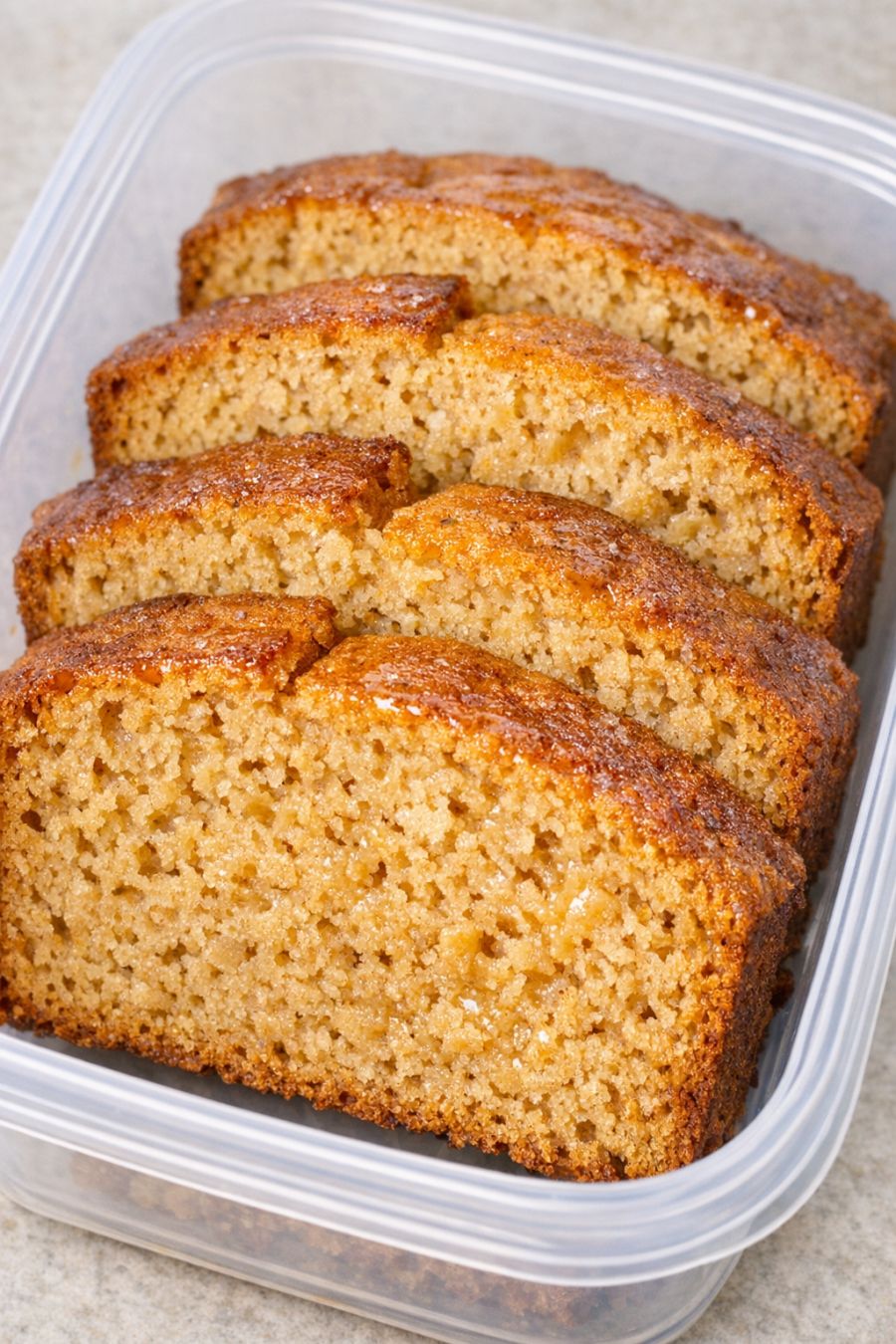
Serve this peanut butter bread sliced thick, just as my great-grandmother did, with a cold glass of milk or buttermilk alongside. It’s lovely still warm from the oven, when the crumb is soft and the peanut oils glisten a bit on the surface. You can spread a slice with a dab of butter, a drizzle of honey, or a spoonful of jam if you have it, but it’s perfectly satisfying plain. It packs well in a lunch pail, and the dense texture holds up nicely in a plastic container on the counter for a day or two, ready for quick snacks or a simple breakfast.
3-Ingredient Peanut Butter Bread
Servings: 8
Ingredients
2 cups all-purpose flour
1 cup creamy peanut butter
1 3/4 cups whole milk (or any milk you have on hand)
Directions
Preheat your oven to 350°F (175°C). Lightly grease a standard 9x5-inch loaf pan with a bit of oil, butter, or leftover bacon grease—whatever you have handy.
In a medium saucepan or sturdy mixing bowl, combine the peanut butter and 1 cup of the milk. Warm gently over low heat or let it sit at room temperature for a few minutes, then stir until the mixture loosens and becomes smooth and pourable. This makes it easier to blend with the flour.
In a large bowl, add the flour. Make a well in the center and pour in the peanut butter mixture.
Add the remaining 3/4 cup milk a little at a time, stirring with a wooden spoon or sturdy fork until a thick, heavy batter forms. It should be dense but evenly moistened, with no dry pockets of flour. If it seems too dry to come together, add another tablespoon or two of milk; if it feels overly loose, sprinkle in a spoonful of flour.
Scrape the batter into the prepared loaf pan. Use the back of a spoon to press it into the corners and smooth the top. The batter will be quite thick and rustic-looking—that’s just right.
Bake on the middle rack for 45–55 minutes, or until the top is a deep golden brown and firm to the touch. A thin knife or skewer inserted in the center should come out mostly clean, with maybe a few moist crumbs but no wet batter.
Remove the pan from the oven and let the bread rest in the pan for about 10–15 minutes. You’ll notice a gentle sheen of peanut oil on the surface as it settles—that’s part of its charm and helps keep it moist.
Carefully turn the loaf out onto a wire rack or a clean towel to finish cooling. Let it cool until just warm before slicing; this helps the dense crumb set up so the slices hold together.
Slice into thick pieces. Store leftovers in a plastic container with a tight-fitting lid at room temperature for up to 2 days, or refrigerate for longer keeping. The texture will stay dense and sturdy, just the way those old-time loaves were meant to be.
Variations & Tips
This old-fashioned loaf was meant to bend with whatever was on hand. If you’re still keeping to three ingredients, you can swap part of the milk with water or reconstituted powdered milk, as many farm kitchens did; just keep the total liquid about the same. You can also use chunky peanut butter if that’s what you have—expect a slightly crumblier slice with little bits of peanut throughout. For a heartier, more rustic loaf, replace up to 1 cup of the all-purpose flour with whole wheat flour, though you may need a splash more milk to keep the batter workable. If your pantry isn’t quite as bare, a pinch of salt can deepen the flavor, and a spoonful of sugar or drizzle of honey will soften the loaf’s plainness without changing its character. This bread also toasts nicely in a skillet the next day: warm a slice in a dry pan until the edges brown and the surface glistens again, then eat it plain or with a smear of whatever you’ve got—jam, butter, or even another thin layer of peanut butter for a double-peanut treat.
